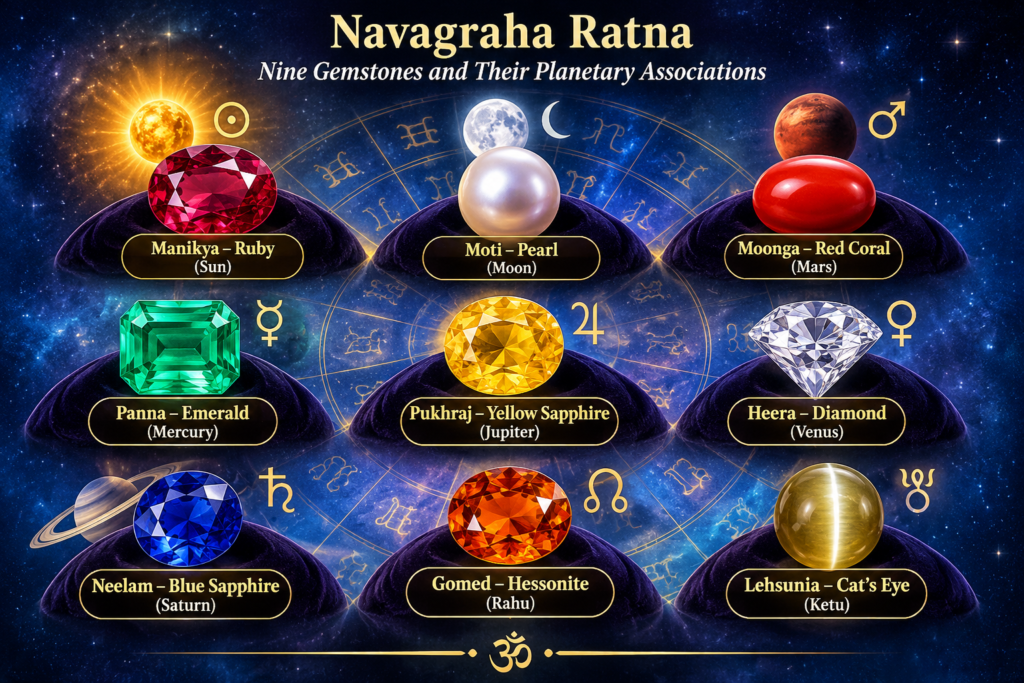
Gemstones have been an important part of traditional Indian astrology for centuries. In Vedic astrology, also known as Jyotish Shastra, certain precious and semi-precious stones are associated with the nine planetary influences, collectively known as Navagraha. These associations form an important part of traditional Ratna Shastra, the study of gemstones and their astrological significance.
The relationship between gemstones and the nine planets in Vedic astrology is based on the traditional belief that specific gemstones correspond to particular planetary energies. Each of the nine Navagrahas has an associated Ratna, including Ruby for the Sun, Pearl for the Moon, Red Coral for Mars and Blue Sapphire for Saturn.
However, selecting an astrological gemstone involves more than knowing which stone belongs to which planet. Traditional Jyotish considers an individual’s birth chart, planetary placements, ascendant and other astrological factors before recommending a gemstone.
For those exploring Ratna Shastra or seeking gemstone guidance in Guwahati, understanding these traditional planetary associations is a useful starting point.
What Is the Connection Between Navagraha and Gemstones?
In Vedic astrology, Navagraha refers to the nine celestial influences considered in traditional horoscope interpretation. They include seven visible planetary bodies and the two lunar nodes, Rahu and Ketu.
The nine Navagrahas are:
- Surya (Sun)
- Chandra (Moon)
- Mangal (Mars)
- Budh (Mercury)
- Brihaspati or Guru (Jupiter)
- Shukra (Venus)
- Shani (Saturn)
- Rahu
- Ketu
Traditional Ratna Shastra associates each of these planetary influences with a particular gemstone. These nine stones are collectively known as Navaratna, meaning nine gems.
In traditional Jyotish practice, gemstones are sometimes considered as planetary remedies. Astrologers may recommend particular Ratnas after examining the horoscope and determining whether strengthening a specific planetary influence is considered appropriate.
It is important to distinguish these traditional astrological beliefs from modern scientific gemology, which studies the physical, chemical and optical properties of gemstones.
The Nine Gemstones and Their Planetary Associations in Vedic Astrology
Each Navagraha gemstone has its own traditional meaning, mineral identity and astrological association. Understanding these connections helps explain the foundation of planetary gemstone selection.
1. Ruby (Manikya) – Gemstone of the Sun (Surya)
Ruby, traditionally known as Manikya, is associated with Surya, the Sun. In Vedic astrology, the Sun represents authority, leadership, confidence, identity and personal vitality.
Ruby belongs to the corundum mineral family and is recognised for its red colour, which can range from pinkish-red to deep purplish-red.
In traditional astrology, Ruby is associated with:
- Leadership and authority
- Confidence and self-expression
- Recognition and reputation
- Personal identity and determination
Astrologers may consider Manikya after examining the Sun’s position, house ownership and overall role in an individual’s birth chart.
2. Pearl (Moti) – Gemstone of the Moon (Chandra)
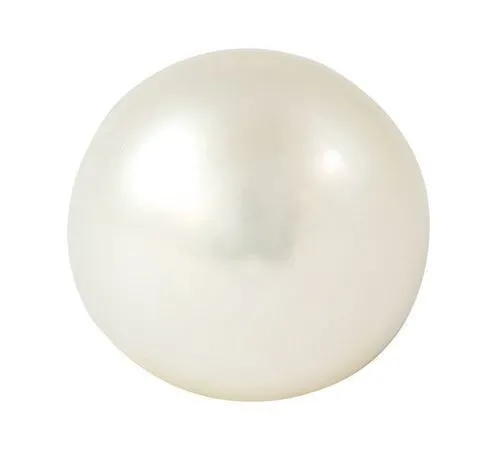
Pearl, known as Moti, is traditionally associated with Chandra, the Moon. The Moon represents emotions, the mind, sensitivity, comfort and mental disposition in Vedic astrology.
Unlike most gemstones, natural pearls are organic gems formed within certain molluscs.
Traditional astrological associations of Pearl include:
- Emotional sensitivity
- Mental calmness
- Inner balance
- Nurturing qualities
The suitability of Moti is traditionally evaluated by examining the Moon’s position and significance in the horoscope.
3. Red Coral (Moonga) – Gemstone of Mars (Mangal)
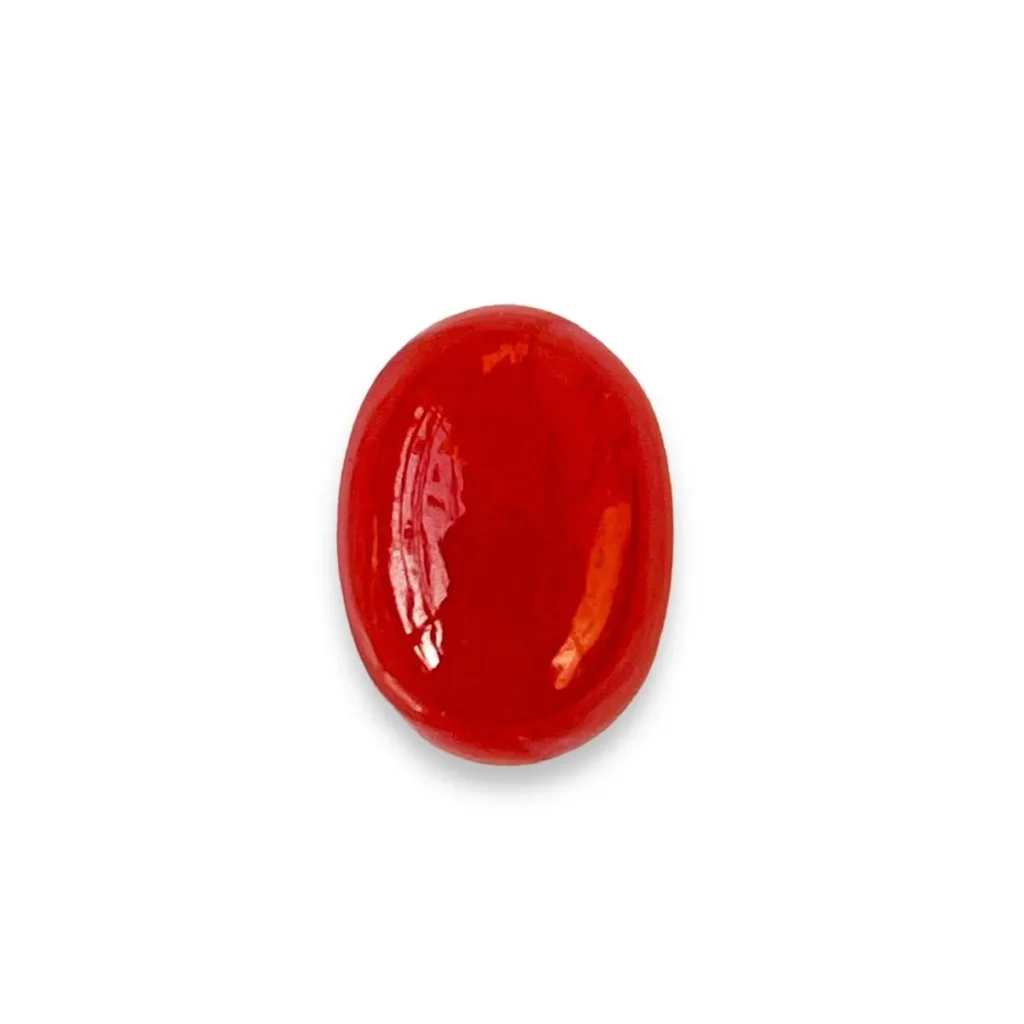
Red Coral, commonly called Moonga, is associated with Mangal, or Mars. Mars represents courage, physical energy, determination, initiative and action in traditional Jyotish.
Red Coral is an organic gemstone formed by marine coral organisms. Its colour generally ranges from orange-red to deep red.
Its traditional astrological associations include:
- Courage and determination
- Initiative and action
- Confidence in decision-making
- Energy and ambition
Before recommending Moonga, an astrologer traditionally examines the position and functional role of Mars in the birth chart.
4. Emerald (Panna) – Gemstone of Mercury (Budh)
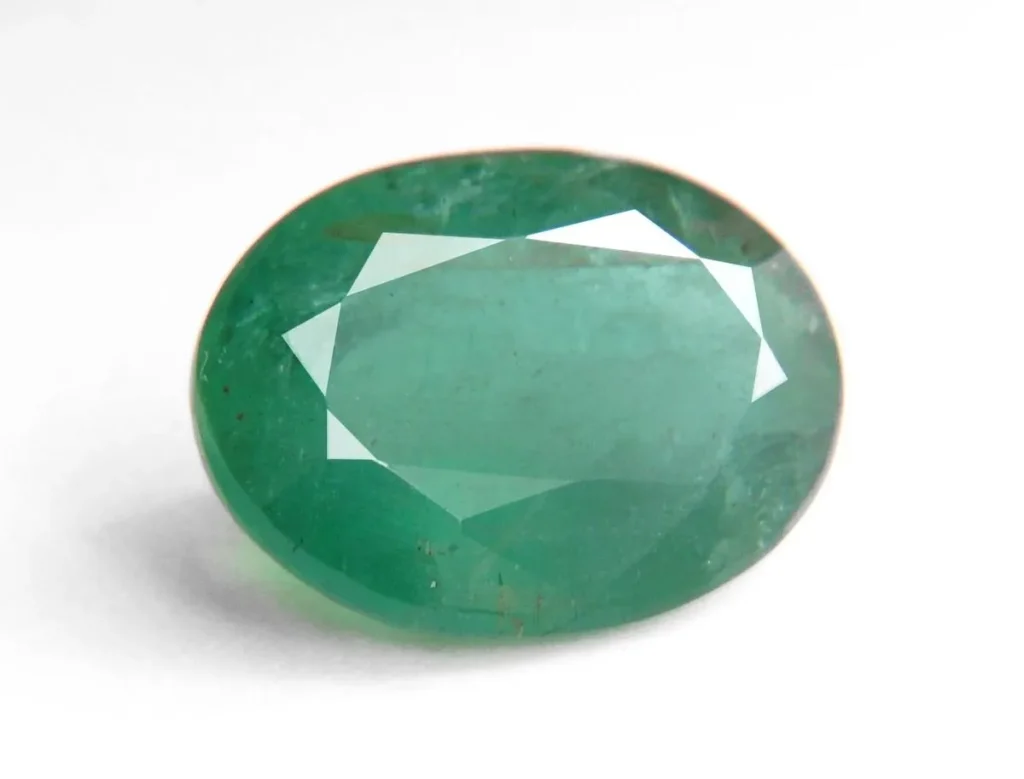
Emerald, known as Panna, is associated with Budh, or Mercury. Mercury represents communication, intelligence, reasoning, learning and analytical abilities in Vedic astrology.
Emerald is a green variety of the mineral beryl and is valued for its characteristic green colour.
Its traditional astrological associations include:
- Communication and expression
- Learning and education
- Business and analytical thinking
- Intellectual abilities
In traditional gemstone astrology, Emerald may be considered after evaluating Mercury’s placement, strength and relationship with other planets.
5. Yellow Sapphire (Pukhraj) – Gemstone of Jupiter (Guru)
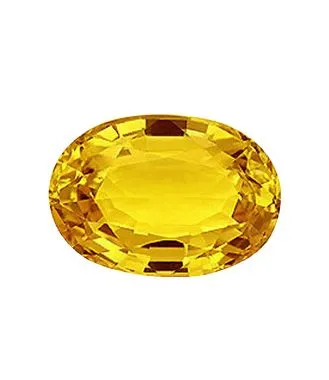
Yellow Sapphire, traditionally called Pukhraj, is associated with Brihaspati or Guru, representing Jupiter.
Jupiter is traditionally connected with wisdom, knowledge, education, guidance, spiritual understanding and expansion.
Yellow Sapphire belongs to the corundum mineral family and is recognised for its yellow colour.
Its traditional associations include:
- Knowledge and wisdom
- Education and learning
- Spiritual development
- Guidance and prosperity
Astrologers may evaluate Pukhraj when considering Jupiter’s functional role, house ownership and planetary position in an individual’s Kundli.
6. Diamond (Heera) – Gemstone of Venus (Shukra)
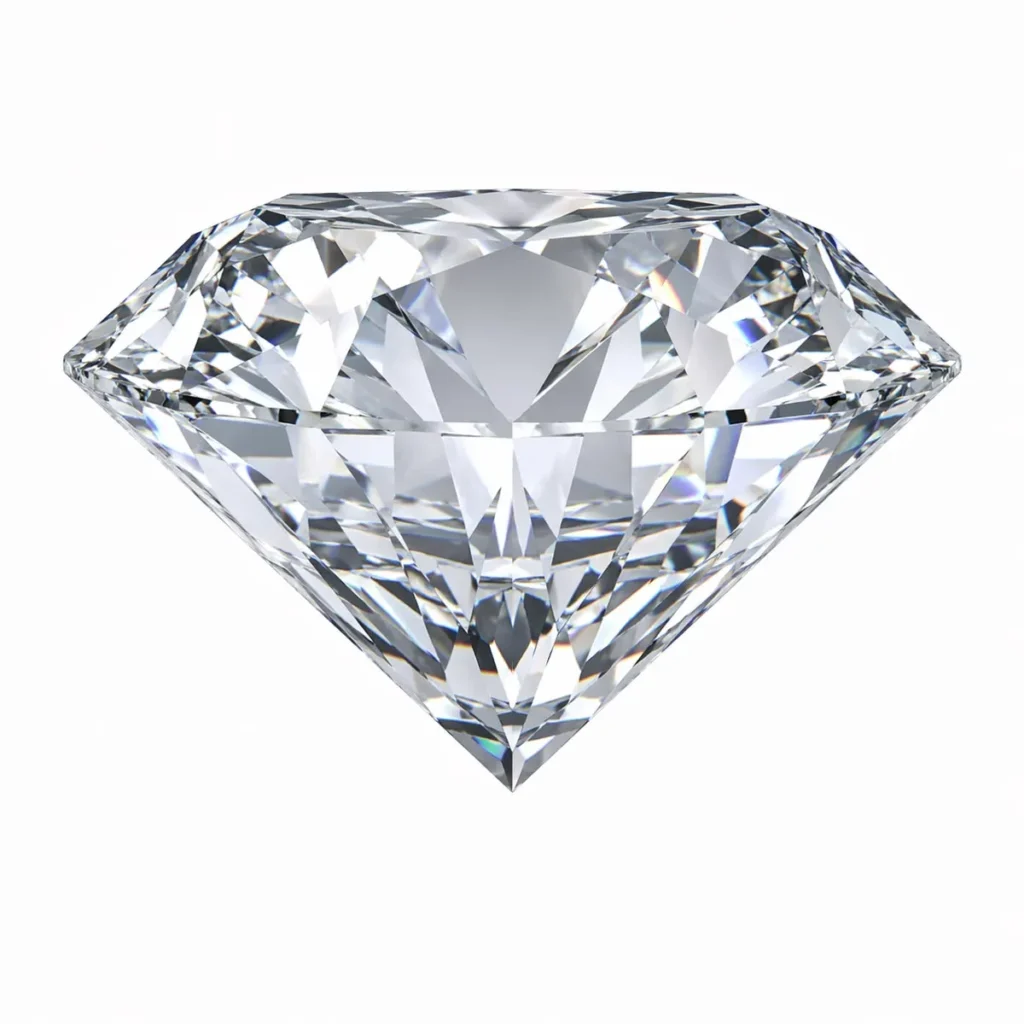
Diamond, known as Heera, is traditionally associated with Shukra, or Venus. In Vedic astrology, Venus represents beauty, relationships, artistic expression, luxury and material comforts.
Diamond is a naturally occurring crystalline form of carbon and is valued for its brilliance and exceptional hardness.
Its traditional astrological associations include:
- Beauty and aesthetics
- Relationships and harmony
- Creativity and artistic interests
- Comfort and luxury
However, Diamond is not automatically suitable for everyone. Traditional Jyotish considers Venus’s role in the complete horoscope before recommending this gemstone.
7. Blue Sapphire (Neelam) – Gemstone of Saturn (Shani)
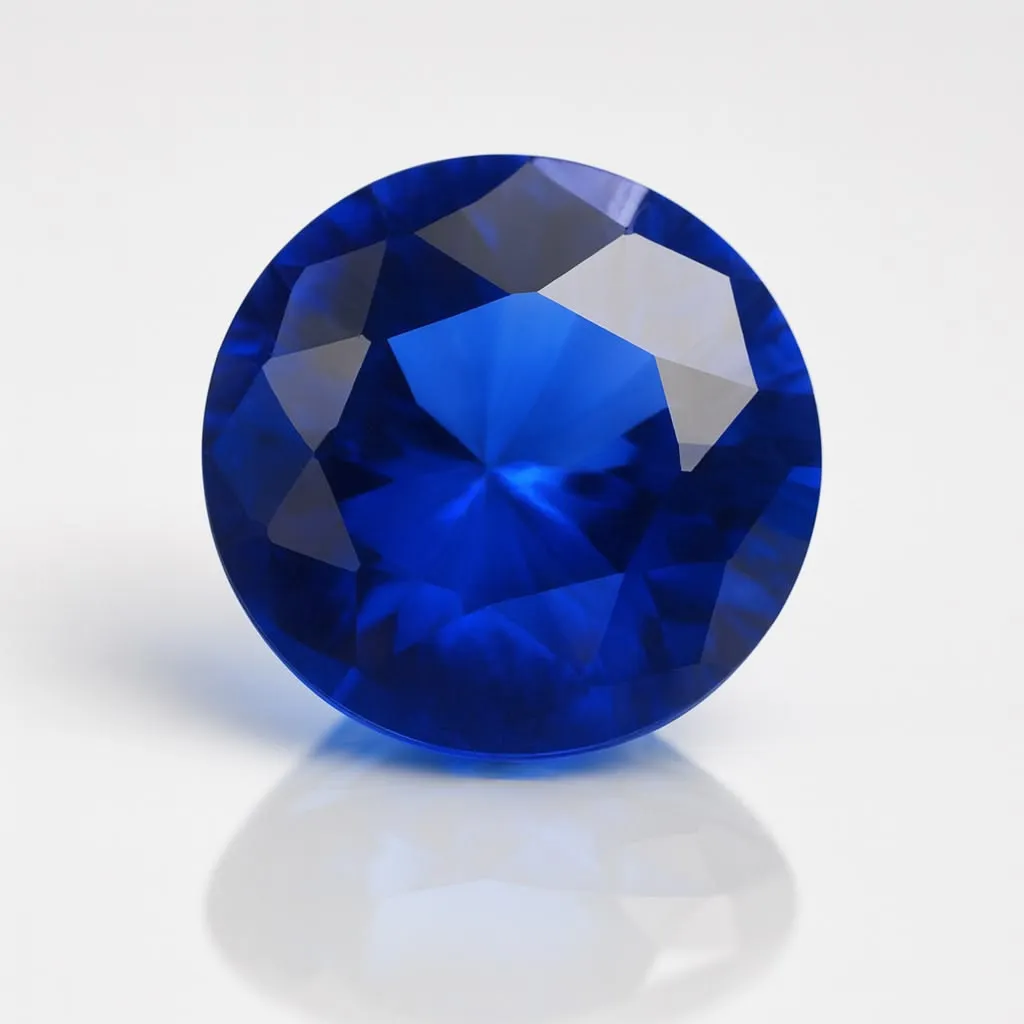
Blue Sapphire, commonly known as Neelam, is associated with Shani, or Saturn.
Saturn represents discipline, responsibility, patience, perseverance, hard work and long-term commitments in traditional Vedic astrology.
Blue Sapphire belongs to the corundum mineral family and is recognised for its blue colour.
Its traditional associations include:
- Discipline and responsibility
- Patience and perseverance
- Hard work and consistency
- Long-term planning
Neelam is often discussed carefully in traditional gemstone astrology. Its recommendation should be based on a detailed interpretation of Saturn’s role in the individual’s birth chart rather than fear or popular claims.
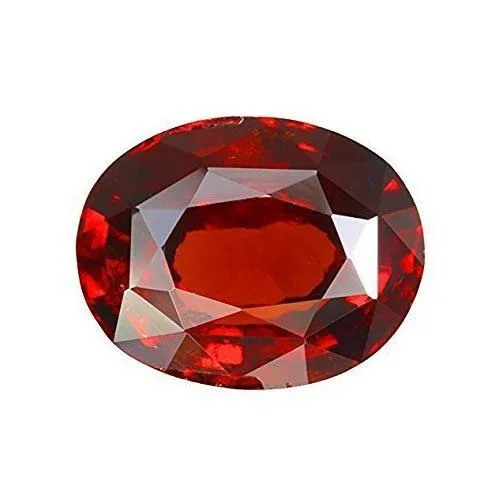
8. Hessonite (Gomed) – Gemstone of Rahu
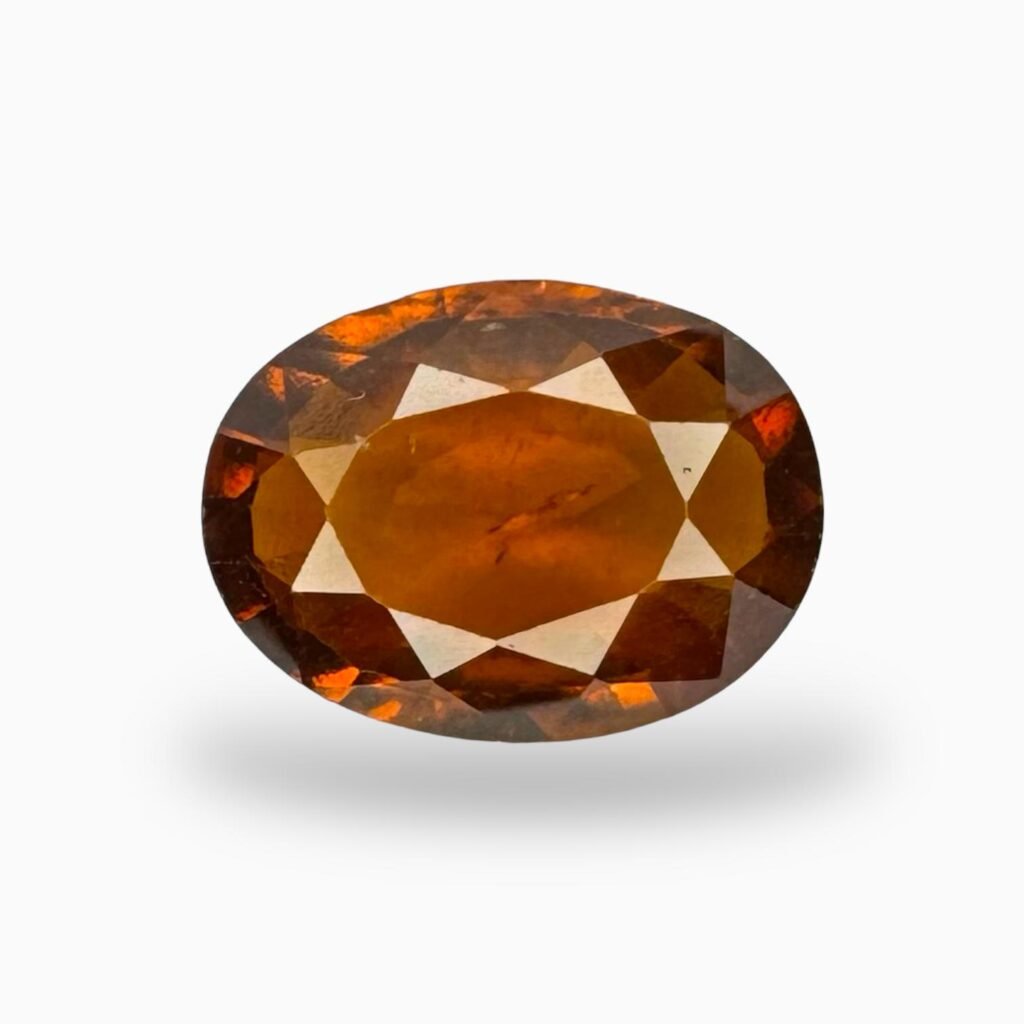
Hessonite, known as Gomed, is traditionally associated with Rahu, one of the lunar nodes in Vedic astrology.
Rahu is associated in traditional Jyotish with ambition, material desires, unconventional thinking, worldly pursuits and unusual experiences.
Hessonite is a variety of grossular garnet, commonly recognised by its honey-yellow, orange-brown or reddish-brown appearance.
Its traditional astrological associations include:
- Ambition and aspirations
- Unconventional thinking
- Material pursuits
- Rahu-related planetary interpretations
Gomed should not be selected simply because someone believes Rahu is causing difficulties. An astrologer should first examine Rahu’s placement, house ownership and overall significance in the Kundli.
9. Cat’s Eye (Lehsunia) – Gemstone of Ketu
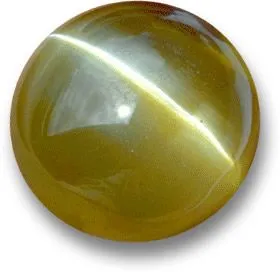
Cat’s Eye, traditionally called Lehsunia, is associated with Ketu, the descending lunar node.
Ketu is connected in traditional Vedic astrology with spirituality, detachment, introspection, intuition and liberation.
The gemstone commonly used for this astrological association is chrysoberyl cat’s eye. It displays a distinctive luminous band across its surface, an optical phenomenon known as chatoyancy.
Its traditional associations include:
- Spiritual reflection
- Introspection and detachment
- Intuitive understanding
- Ketu-related planetary interpretations
Before considering Lehsunia, the astrologer should examine Ketu’s position and influence in the complete birth chart.
Navaratna: Understanding the Nine Gemstones Together
Navaratna literally means nine gems. It refers to the traditional combination of nine gemstones, each representing one of the Navagrahas.
The traditional Navaratna combination includes:
| Planet (Graha) | Gemstone (Ratna) |
|---|---|
| Sun (Surya) | Ruby (Manikya) |
| Moon (Chandra) | Pearl (Moti) |
| Mars (Mangal) | Red Coral (Moonga) |
| Mercury (Budh) | Emerald (Panna) |
| Jupiter (Guru) | Yellow Sapphire (Pukhraj) |
| Venus (Shukra) | Diamond (Heera) |
| Saturn (Shani) | Blue Sapphire (Neelam) |
| Rahu | Hessonite (Gomed) |
| Ketu | Cat’s Eye (Lehsunia) |
These gemstones are traditionally used together in certain forms of Navaratna jewellery, including rings and pendants.
However, wearing all nine gemstones together is not the same as receiving a personalised astrological gemstone recommendation. The traditional suitability of individual Ratnas depends on the horoscope and the astrological approach being followed.
How Does an Astrologer Select the Right Gemstone According to Kundli?
One of the most important principles of traditional Ratna Shastra is that gemstone selection should be individualised.
A gemstone associated with a particular planet is not necessarily suitable for every person. Two individuals with the same zodiac sign can have very different birth charts and planetary configurations.
A traditional astrological gemstone consultation may consider the following factors:
1. Ascendant (Lagna): The ascendant helps determine planetary house ownership and the functional role of planets in the horoscope.
2. Planetary Position: The house, sign and placement of a planet are examined to understand its role in the birth chart.
3. Planetary Strength: Traditional Jyotish evaluates planetary strength and other relevant conditions before considering a Ratna.
4. Mahadasha and Antardasha: Current planetary periods may also be considered during astrological interpretation.
5. Individual Suitability: The astrologer evaluates whether strengthening a particular planet is considered appropriate within the chosen Jyotish framework.
This is why choosing a gemstone solely based on a zodiac sign, birth month or general online recommendation may not provide sufficient astrological context.
Why Gemstone Authenticity Matters in Ratna Shastra
Astrological gemstone selection and gemstone authenticity are two separate but equally important considerations.
Even when a gemstone is traditionally recommended, its physical identity and quality should be examined before purchase.
Some important factors include:
- Natural origin: Determine whether the gemstone is naturally formed or laboratory-grown.
- Clarity: Examine internal inclusions and external characteristics.
- Colour: Assess hue, tone, saturation and colour distribution.
- Treatments: Identify whether the stone has undergone heat treatment, filling, dyeing or other enhancements.
- Certification: Consider an independent gemological laboratory report for valuable gemstones.
A laboratory report can help establish gemstone identity and disclose relevant treatments. However, it cannot determine whether a particular stone is astrologically suitable for an individual.
Responsible Ratna selection should therefore combine traditional astrological interpretation with informed gemstone evaluation.
Gemstone and Vedic Astrology Consultation in Guwahati
Interest in Vedic astrology, Ratna Shastra and Navagraha gemstones continues among people seeking a deeper understanding of traditional Indian astrological practices.
For individuals in Guwahati, choosing an appropriate astrological gemstone should begin with understanding the birth chart rather than purchasing a stone based on generalised claims.
Acharya Sailyajit Baruah’s approach to gemstone-related guidance can help readers explore traditional planetary associations, Ratna knowledge and the considerations involved in gemstone selection.
Whether you are learning about Neelam, Pukhraj, Manikya, Panna or other Navagraha gemstones, it is important to understand the traditional reasoning behind each recommendation.
A responsible consultation should explain why a particular gemstone is being considered and whether it is appropriate according to the individual’s horoscope. No gemstone should be presented as a guaranteed solution for wealth, health, marriage or career success.
Frequently Asked Questions About Gemstones and the Nine Planets
1. Which gemstone is associated with each of the nine planets?
The traditional associations are Ruby with the Sun, Pearl with the Moon, Red Coral with Mars, Emerald with Mercury, Yellow Sapphire with Jupiter, Diamond with Venus, Blue Sapphire with Saturn, Hessonite with Rahu and Cat’s Eye with Ketu.
2. What are Navagraha gemstones?
Navagraha gemstones are nine traditional gemstones associated with the nine planetary influences in Vedic astrology. They are also known collectively as Navaratna.
3. Can I wear gemstones according to my zodiac sign?
A zodiac sign alone may not provide sufficient information for traditional gemstone selection. Astrologers generally consider the complete birth chart, including ascendant, planetary positions and house ownership.
4. Is Blue Sapphire suitable for everyone?
No. Blue Sapphire, or Neelam, is traditionally associated with Saturn. Its suitability is evaluated according to Saturn’s role and position in an individual’s horoscope.
5. What is the difference between Navaratna and an individual astrological gemstone?
Navaratna refers to a combination of nine planetary gemstones. An individual astrological gemstone is selected after considering a particular planet’s role in a person’s birth chart.
6. How can I check whether an astrological gemstone is genuine?
Gemstone identity, natural or laboratory-grown origin and treatments can be evaluated through professional gemological testing. Visual appearance alone cannot reliably establish authenticity.
7. Where can I get astrological gemstone guidance in Guwahati?
Individuals in Guwahati interested in Ratna Shastra can explore personalised gemstone guidance from Acharya Sailyajit Baruah, with attention to traditional Vedic astrology principles and individual birth chart interpretation.
Conclusion
The relationship between gemstones and the nine planets in Vedic astrology represents an important aspect of traditional Ratna Shastra. From Ruby and the Sun to Cat’s Eye and Ketu, every Navagraha gemstone has its own traditional association and significance.
However, understanding these associations is only the beginning of gemstone selection. A meaningful traditional recommendation requires careful birth chart interpretation, consideration of planetary roles and attention to the authenticity and quality of the gemstone.
For anyone exploring Navagraha Ratna or astrological gemstone consultation in Guwahati, learning the principles behind gemstone selection is far more valuable than following generalised recommendations.
Explore Ratna Shastra with Astro Sailyajit and understand the traditional connection between gemstones, planetary influences and individual horoscope interpretation.
Acharya Sailyajit Baruah
WhatsApp Us Now
KRISHNAVILLA’S H. K. MEDHI COMPLEX G-6, Kahilipara Road, Guwahati-781006, Assam